

Selling With a Judgment or Lien We Buy Houses With Judgments and Liens in LA County
A judgment, tax lien, or HOA lien recorded against your title does not mean your Los Angeles County house is stuck. We are the buyer: we buy LA County houses with judgments and liens on them, as is and in any condition, and the liens get cleared through escrow as part of our purchase instead of being yours to clear first. You never pay us a fee, and there is no charge unless the sale closes.
SELL YOUR HOME IN 3 SIMPLE STEPS
A clear process. No repairs. No obligation.

1. Contact Us By Filling The Form
Provide us with some basic info by filling out the form below. Once we receive your information, we figure out how much we can offer for your house and will contact you within 24 hours.

2. Receive Your Cash Offer
Whether you'd like to meet in person or just speak on the phone, we’ll give you our best, free no-obligation cash offer in writing or just verbally.

3. Pick A Closing Date
If you accept our offer, we can close in as little as 7 days! But if you need more time, we will work closely with you to make sure closing happens on your timeline.
YES, It's That Simple
WE WANT TO HELP!
Life is hard enough without having to worry about trying to sell your home. We'll do everything possible to make selling your home as convenient and stress-free as possible

FOR ANY SITUATION
Foreclosures
Divorce
Financial Struggles
Relocation

IN ANY CONDITION
Structural Damage
Unfinished Interiors
Hoarder Home
Major Repairs Needed

WITH ANY STRUGGLES
Code Violations
Low Equity
Bad Tenants
Late Mortgage Payments
5 Reasons To Work With Us:

NO REPAIRS
We'll gladly buy your home "as-is," in any condition.

WE DO ALL THE WORK
From paperwork to legal complexities, we've got it all covered

NO FEES
You won't pay fees or commissions of any kind.

CLOSE FAST
Close on your schedule and get cash in as little as a week.

LOCAL TITLE COMPANY
We close through a reputable title company in your market.
Selling Your House To Us = No Pressure or Stress
Want to sell your house fast in Los Angeles County but worried about dealing with a complicated process? We are reliable cash buyers who stick to our offers and make selling easy. Whether you are just curious about what a serious cash offer for your house looks like or if you are ready to sell, the offer is free and you are under no obligation to take it.
Sell My House Fast With Confidence!
Fill Out This Form To Get Your No-Obligation All Cash Offer Started!
Need to get in touch?
Los Angeles County Service Area
Choose your city for local information about selling your house as-is.
 Sell Your Home Fast in Altadena, CA
 Sell Your Home Fast in Glendale, CA
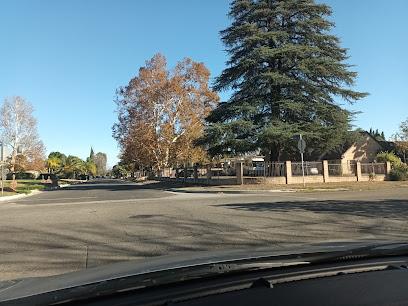 Sell Your Home Fast in Lancaster, CA
 Sell Your Home Fast in Long Beach, CA
 Sell Your Home Fast in Malibu, CA
 Sell Your Home Fast in Palisades, CA
 Sell Your Home Fast in Santa Clarita, CA
 Sell Your Home Fast in Thousand Oaks, CA
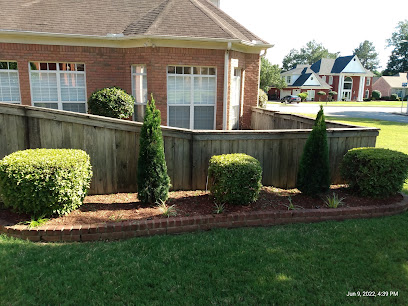 Sell Your Home Fast in Westlake Village, CA
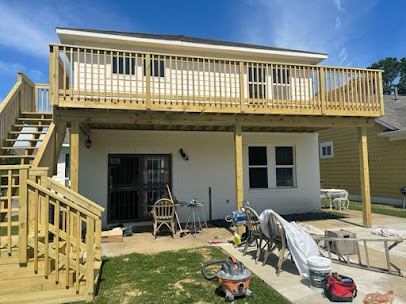 Sell Your Home Fast in Simi Valley, CA
 Sell Your Home Fast in Casa Conejo, CASell Your Home Fast in Pasadena, CASell Your Home Fast in Redondo Beach, CASell Your Home Fast in Gardena, CASell Your Home Fast in Downey, CA
City photo credits
- Altadena photo: Google Maps contributor photo, used on this site's service-area card since 2024
- Glendale photo: Google Maps contributor photo, used on this site's service-area card since 2024
- Lancaster photo: Google Maps contributor photo, used on this site's service-area card since 2024
- Long Beach photo: Google Maps contributor photo, used on this site's service-area card since 2024
- Malibu photo: Google Maps contributor photo, used on this site's service-area card since 2024
- Palisades photo: Google Maps contributor photo, used on this site's service-area card since 2024
- Santa Clarita photo: Google Maps contributor photo, used on this site's service-area card since 2024
- Thousand Oaks photo: As-Is Home Buyer stock property photo (shared network card set)
- Westlake Village photo: As-Is Home Buyer stock property photo (shared network card set)
- Simi Valley photo: As-Is Home Buyer stock property photo (shared network card set)
- Casa Conejo photo: As-Is Home Buyer stock property photo (shared network card set)
- Pasadena photo: As-Is Home Buyer stock property photo (shared network card set)
- Redondo Beach photo: As-Is Home Buyer stock property photo (shared network card set)
- Gardena photo: As-Is Home Buyer stock property photo (shared network card set)
- Downey photo: As-Is Home Buyer stock property photo (shared network card set)

Common Questions
Can I sell my house if there's a judgment against me in California?
Yes. A judgment against you personally does not stop a home sale, and a judgment lien recorded against the property does not either. It has to be addressed in escrow, either paid off in full from your sale proceeds or negotiated down with the creditor, before the sale can close. Most sellers with a judgment on title still close on a normal timeline once the lien is identified and handled early.
How do I find out if there's a judgment lien on my house in Los Angeles?
A judgment lien is created when a creditor records an abstract of judgment with the Los Angeles County Recorder. You can order a preliminary title report, which any title company will run once you're under contract, or search the recorder's index by your name in person at the county Registrar-Recorder's office, since the county does not put its real estate index online. We also pull a title report early so any lien shows up before it can slow down closing.
Does a judgment lien on my house expire in California?
A judgment lien lasts 10 years from the date the underlying judgment was entered. Before it expires, the creditor can keep it alive by renewing the judgment through the court and recording that renewal with the county before the original 10 years run out, which restarts the clock for another 10-year period. So an old lien does not always fall off on its own. If a lien on your title looks old, it still needs to be checked and resolved rather than assumed to be expired.
What if the judgment against me is more than my home equity?
This comes up often. If your equity does not cover the full judgment, the lien still has to be resolved before closing, but the creditor does not have to be paid in full to release it. We negotiate directly with the creditor or their attorney for a reduced payoff based on what the sale can actually support, which is often the difference between a sale closing or falling apart.
Will I owe money after I sell my house if there's a lien on it?
It depends on the lien, your equity, and what gets negotiated before closing. In many cases a lien is paid or released in full through escrow and you owe nothing further. If a shortfall remains after negotiation, we go over exactly what that means for you before you agree to anything, in plain terms, so nothing about it catches you off guard after closing.
Can I sell my house in Los Angeles with a tax lien or HOA lien?
Yes. Property tax liens, IRS or state tax liens, and HOA assessment liens are handled the same way as a judgment lien, through the title search and escrow process. Property tax liens typically get paid first out of proceeds since they take priority. HOA liens and tax liens can often be negotiated or brought current as part of the sale, the same as a judgment.
What does it cost to work with you if I have a judgment or lien on my house?
Nothing, ever. We do not charge sellers a fee, a deposit, or a retainer at any point, and there is no cost to you for the lien negotiation itself. We only get paid as part of the transaction when it closes, whether that means we buy the house directly or the sale closes through your lender. If nothing closes, you owe us nothing.
Yes, You Can Sell a House With a Judgment Against You
This page is general information about California law, not legal advice, and it is not a substitute for advice from a licensed California attorney about your specific situation.
If a creditor has a judgment against you, you have not lost the right to sell your house. It feels that way when a lien shows up on a title report you did not know existed, but a judgment lien is a debt attached to the property, not a lock on the front door. Homeowners across Los Angeles County sell with judgments, tax liens, and HOA liens on title on a regular basis. The lien has to be paid, reduced, or released before the sale closes, but that happens through escrow as part of the transaction. You do not need to pay it off out of pocket first, and you do not need perfect credit or a clean title to start the process.
How a Judgment Lien Attaches to Your Home in Los Angeles County
A judgment lien starts when a creditor wins a lawsuit against you and records an abstract of judgment with the Los Angeles County Recorder. Once that abstract is recorded, it creates a lien on any real property you own in the county, current or future, for the amount of the judgment plus interest. Under California law, that lien lasts 10 years from the date the judgment was entered. Before that period runs out, the creditor can renew the underlying judgment through the court and record that renewal with the county, which restarts the clock for another 10 years, so a lien does not simply disappear on its own just because time has passed. This is why a preliminary title report on your house can turn up a judgment lien from years ago that you assumed was closed. It is still valid, it still has to be dealt with, and it still shows up in escrow.
What Happens to the Judgment at Closing
When you sell, the title company runs a full lien search and lists every judgment, tax lien, and HOA lien tied to the property. At closing, sale proceeds pay off recorded liens in order before you receive anything. If there is enough equity, the judgment gets paid off in full through escrow and released from title, simple as that. If there is not enough equity to cover it, someone has to negotiate directly with the judgment creditor for a reduced payoff or a release, and that negotiation is often where a deal with another buyer falls apart. We do that negotiating ourselves, working directly with the creditor or their attorney to get the lien resolved so the sale can close, typically within a normal escrow timeline.
The California Homestead Exemption and Your Equity
California law also protects a portion of your home equity from judgment creditors through the homestead exemption under Code of Civil Procedure section 704.730. The exempt amount is tied to your county's prior-year median home sale price, subject to a statewide floor and cap that both adjust for inflation each year, so the protected amount in Los Angeles County can be substantial. This exemption is one reason a judgment creditor often cannot force a sale of your home outright, and California law also protects your sale proceeds up to that same exempt amount for six months after you receive them, which limits what a creditor can reach from the payout. It does not erase the lien or make it disappear from title, but it does give you leverage, and it is part of what we factor in when we negotiate a payoff with the creditor on your behalf.
Why Most Cash Buyers Pass on a Lien, and What This Costs You
Most cash buyers advertise fast, simple purchases, but a judgment or lien complicates that pitch, so cash-only buyers often pass on these deals or lowball the offer to cover their own uncertainty. We buy them anyway, and the lien gets cleared through escrow as part of our purchase rather than being something you have to resolve before you can sell. If your mortgage balance is also close to or above what the house is worth, the same closing can be done as a short sale, which your lender has to approve in writing. Since 2011, CCP 580e has let each lienholder who consents in writing to a short sale, first mortgage or junior lien, release the borrower from a deficiency judgment on that note, with limited exceptions such as fraud or waste. You never pay us a fee, no retainer, and no charge unless the sale closes.
What a Recorded Abstract Reaches in Los Angeles County
A judgment lien starts with paper. The creditor asks the court clerk to issue an abstract of judgment. Then the creditor records it with the county recorder. The state court self-help site says a creditor needs one issued abstract for each county.
Only the county where it was recorded
The statute says the lien attaches to your interests in real property in the county where the lien is created. A lien recorded in another county does not, by itself, sit on a house here.
What the lien does not reach
The statute lists a few things the lien does not reach. Rent payments are one. A lease with less than two years left is another. So is a beneficiary's interest in a trust. If a trust or a lease is part of your story, ask a California attorney how that list applies to you.
Why we start by reading the paper
Two sellers can both say they have a judgment and have very different problems. The recorded abstract tells us which one you are.
Finding the Judgment on Your Title Report
The title company runs the search once we are under contract.
The details that identify a judgment
California law says a release of a judgment lien must name the court and the case number. It must also give the dates and the creditor's name and address. Those are the details to match against your own case papers.
Where Los Angeles County keeps the records
The Registrar-Recorder/County Clerk handles recorded real estate documents. Its main site is in Norwalk, at 12400 Imperial Highway. The county says it does not put real estate records or indexes online. Anyone can ask for copies online, in person, by fax or by mail.
- Its branches at LAX, Van Nuys and Lancaster generally issue copies of records from 1982 to the present.
What the county's own definition says
The recorder describes an abstract of judgment as a summary of a money judgment. Once recorded, it creates a general lien on the debtor's real property in that county.
How Our Cash-Offer Process Works With a Judgment on Title
A judgment does not change the three steps. It only adds one task for the title company. That task is a payoff request to the creditor.
Step one: tell us about the house and the judgment
Fill out the short form or call us. Tell us what you know about the judgment. If you do not know much, that is fine. We will find the recorded paper.
Step two: get a cash offer within 24 hours
We make a fair, no-obligation cash offer. We look at the house and the liens together. You can say no and owe us nothing.
Step three: pick your closing date
You choose the date. It can be as little as 7 days, or later if you need time. A judgment payoff can slow a closing, so we ask the creditor for numbers early. The sale closes through a title or escrow company. We handle the coordination and pay the usual closing costs.
Asking the Creditor for a Payoff Number
The title company usually asks the creditor, or the creditor's attorney, for a written payoff. We can start that request for you. A payoff is a dollar figure good through a stated date.
Why the number keeps growing
Interest starts on the day the judgment is entered. The general rate is 10 percent a year on the unpaid principal. For many personal debts under $50,000 and medical debts under $200,000, the rate is 5 percent. That lower rate applies to judgments entered or renewed on or after January 1, 2023. The Legislature can change these rates, so ask for the current figure in writing.
Taking less is the creditor's choice
The law lets a creditor accept a smaller amount as full payment. It does not make the creditor do it. We can ask. We cannot promise a yes, and we will not tell you one is coming.
Clearing the Lien From Escrow at Closing
Payment is only half of it. The lien also has to come off the county record. That takes a recorded document, and escrow handles it.
The paper that ends the lien
When the creditor is paid in full, the creditor signs an acknowledgment that the judgment is paid. Recording it with the county recorder ends the lien as a matter of record. A creditor can also sign a release that frees one house.
If the creditor is slow
After the judgment is paid, you or the owner can send the creditor a written demand. The creditor then has 15 days from receiving it to comply. If not, a court can order it.
How this plays out in a real closing
Escrow normally holds the payoff until the title company has what it needs to record the release. Timing depends on the creditor.
More Than One Judgment on the Same House
Some Los Angeles County sellers have two or three judgments on title. Each one is its own lien with its own payoff. Each one needs its own release.
Who stands first in line
The statute sets the order for ordinary money judgments. Among ordinary money judgments, the lien recorded first generally comes ahead of later ones. Judgments paid in installments, like support orders, follow their own rules.
Other kinds of liens on the same title
The county recorder lists tax liens as separate documents. It describes a certificate of tax lien as a lien for unpaid property taxes. It describes a federal tax lien as a lien for unpaid federal taxes.
Our plan for a stack of liens
We ask each creditor for a written payoff. Then we add them up and show you the result.
When the Judgment Is Bigger Than the Offer
Say the payoffs add up to more than the house can pay. Most sales won't close with the lien left on title. The lien follows the house to the next owner. That is why a buyer and a title company want it cleared first.
What can still happen
A creditor may agree to take less. A creditor may release this one house from the lien and keep the judgment alive. Or a creditor may say no. Each creditor decides for itself. We cannot promise any of these.
What we do in the meantime
We ask each creditor for a payoff and explain the answers to you in plain words. You are never asked to sign anything before you see the numbers.
Questions worth asking a California attorney
- Is there another way to deal with this judgment?
- Does anything protect part of my sale money?
- What happens to the rest of what I owe after the sale?
Homestead Timing and Your Judgment Lien: Ask an Attorney
The homestead exemption can change how a judgment lien treats your house. The rules turn on dates and on paperwork. They are worth a talk with a California attorney before you sell.
A recorded homestead declaration
The statute has a special rule. A judgment lien generally does not attach to a declared homestead if the declaration was recorded before the abstract. The declaration has to name the debtor or the debtor's spouse. The rule has exceptions. Support judgments are one.
What a lien can still reach
Even then, a lien can attach to any surplus. Surplus means what is left after all the other liens and the homestead exemption amount. The exemption amount adjusts, so do not rely on a number you heard years ago.
Why this belongs with your attorney
We buy houses. We are not a law office. We can tell you what shows on title. Only an attorney can tell you what it means for you.
Judgments, Inherited Houses and Co-Owners
Many Los Angeles County families end up selling a house together. One owner may have a judgment and the other may not. Inheritance can add another twist.
The lien follows the debtor's share
The statute says the lien attaches to the interests that can be enforced against the person named in the judgment. So a co-owner without a judgment is not the debtor. Married owners are different. California law can let a creditor reach community property for either spouse's debt. How the share splits depends on how title is held. An attorney can sort that out.
Houses you get after a judgment
If you gain an interest in a house in that county after the abstract is recorded, the lien attaches the moment you get it. That can happen with a purchase. It can also happen with a gift or an inheritance.
What we do with a shared house
We look at every owner's name on title. We look for liens against each one. Then we explain who has to sign and what each person walks away with.
Wrong Name or Already Paid: Liens That Should Not Be There
Not every lien on a title report belongs to you. Some belong to someone with a similar name. Others were paid years ago and never cleared.
A lien from a person with a similar name
If a recorded abstract appears to hit your house because of a name match, you can send the creditor a written demand for a release. You need proof, good enough for the creditor, that you are not the debtor. The creditor then has 15 days after receiving your demand and proof to deliver a recordable release. A court can order it if the creditor does not.
A judgment that was paid long ago
If the debt was paid, the creditor can be sent a written demand for the acknowledgment that it is paid. The law spells out a warning the demand must include, so get help with the wording. Then the acknowledgment is recorded with the county recorder. Until it is recorded, the old lien can still show on title.
Why we want to hear about this
Tell us if you think a lien is wrong. We ask the title company to confirm it.
Selling As Is With a Lien: No Repairs, No Cleaning, Belongings Welcome
A judgment often comes with money trouble. Money trouble often means a house that has gone without fixes. You do not have to solve that before you sell.
What as is means here
We buy the house in the shape it is in today. Old roof, bad plumbing, torn carpet, an unfinished project. We still make an offer. You do not hire a contractor, and you do not stage anything.
Your belongings
Take what you want. Leave the rest. We handle what is left behind, and we do not charge you for it.
No agent, no commission
There is no agent commission, because we are not listing the house. We pay the usual closing costs. The lien payoff still comes out of the sale money, because the lien is not a fee. It is a debt.
Closing with an occupied house
You can stay until closing. If you need more time, tell us. We will work out a date that fits.
Who to Call and What to Bring
You do not need a folder full of papers to start. Any of these help, but none is required before we talk.
Helpful papers
- The judgment or the case number.
- Any letter from the creditor or their attorney.
Where to get help in Los Angeles County
The Registrar-Recorder sends homeowners with questions about recorded documents to the county's Department of Consumer and Business Affairs, at (800) 593-8222. The state court self-help site explains how judgments and liens work in plain terms. A California attorney can give you advice about your own case. We cannot.
What we can do
We can read your title report with you, ask the creditor for numbers, and make a cash offer. If the numbers do not work for a sale, we will say so. You owe us nothing for asking.
A note on timing
Every creditor answers at its own speed. If a sale date or a deadline is close, tell us when you first call.
Related Situations
Also see: short sale help, sell a house with code violations, sell an inherited house in Los Angeles County, sell your house as-is with no repairs needed, selling a tax-defaulted house, sell my house with HOA dues owed, or call (323) 622-6021.
Contact Us
(323) 622-6021
Email: [email protected]
Service Hours
Monday - Friday: Open 24 Hours
Saturday: Open 24 Hours
Sunday: Open 24 Hours
Social Media
2026 | All Rights Reserved
Nicholas Hedberg, DRE #02016456 · Beverly & Company, DRE #02078273
Privacy Policy | Terms of Service | Site Map
Contact Us
Service Hours
Social Media
2026 | All Rights Reserved
Nicholas Hedberg, DRE #02016456 · Beverly & Company, DRE #02078273