

Selling a House in Probate? Court Confirmation, Overbids, and Your Options
Are you the personal representative of an estate? Or an heir working with one? If you're already in an open probate case, one hearing usually decides the sale. That's the court's confirmation of sale. This page covers what happens at that hearing. We cover the petition and notice timeline. We cover the 90% appraisal floor and the overbid rules. We cover what a bidder must bring, and what happens if yours gets outbid. If you want a direct as-is cash sale in Los Angeles, you can skip that. You won't need a long marketing period first.
SELL YOUR HOME IN 3 SIMPLE STEPS
A clear process. No repairs. No obligation.

1. Contact Us By Filling The Form
Provide us with some basic info by filling out the form below. Once we receive your information, we figure out how much we can offer for your house and will contact you within 24 hours.

2. Receive Your Cash Offer
Whether you'd like to meet in person or just speak on the phone, we’ll give you our best, free no-obligation cash offer in writing or just verbally.

3. Pick A Closing Date
If you accept our offer, we can close in as little as 7 days! But if you need more time, we will work closely with you to make sure closing happens on your timeline.
YES, It's That Simple
WE WANT TO HELP!
Life is hard enough without having to worry about trying to sell your home. We'll do everything possible to make selling your home as convenient and stress-free as possible

FOR ANY SITUATION
Foreclosures
Divorce
Financial Struggles
Relocation
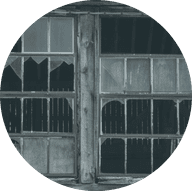
IN ANY CONDITION
Structural Damage
Unfinished Interiors
Hoarder Home
Major Repairs Needed

WITH ANY STRUGGLES
Code Violations
Low Equity
Bad Tenants
Late Mortgage Payments
5 Reasons To Work With Us:

NO REPAIRS
We'll gladly buy your home "as-is," in any condition.

WE DO ALL THE WORK
From paperwork to legal complexities, we've got it all covered

NO FEES
You won't pay fees or commissions of any kind.

CLOSE FAST
Close on your schedule and get cash in as little as a week.

LOCAL TITLE COMPANY
We close through a reputable title company in your market.
Selling Your House To Us = No Pressure or Stress
Want to sell your house fast in Los Angeles County but worried about dealing with a complicated process? We are reliable cash buyers who stick to our offers and make selling easy. Whether you are just curious about what a serious cash offer for your house looks like or if you are ready to sell, the offer is free and you are under no obligation to take it.
Sell My House Fast With Confidence!
Fill Out This Form To Get Your No-Obligation All Cash Offer Started!
Need to get in touch?
Common Probate Sale Questions
Does every probate sale need a judge's approval?
No. A personal representative with full IAEA authority can generally sell real property on a Notice of Proposed Action instead, with no hearing required. This page is written for sales that do need court confirmation — because the representative has only limited authority, or the will restricts the sale — where a hearing is required before title can pass.
What is the 90% rule in a probate sale?
Under Probate Code section 10309, the court generally cannot confirm a private sale of estate real property for less than 90% of the property's appraised value, and that appraisal has to be dated, with a valuation date, within one year of the confirmation hearing.
How is the minimum overbid at a confirmation hearing calculated?
Under Probate Code section 10311, a qualifying overbid has to be at least 10% more on the first $10,000 of the original bid, plus 5% more on the amount over $10,000. On a $500,000 accepted offer, that works out to a minimum qualifying overbid of roughly $525,500.
How much notice is given before a confirmation hearing, and is it published in a newspaper?
At least 15 days, generally. Notice has to be mailed to the personal representative and anyone who requested special notice at least 15 days before the hearing, under Probate Code section 1220, and posted at the courthouse at least 15 days before, under section 1230 — the current statute calls for mailed and posted notice, not newspaper publication.
What do I need to bring if I want to bid at a confirmation hearing?
Generally, a cashier's check for at least 10% of the first overbid amount, made payable to the estate, plus proof of funds and identification — Los Angeles County's probate department, like most California probate courts, will not let someone bid without that deposit in hand. Exact deposit terms are ultimately set by the sale terms and the local court's own rules.
What happens to my deposit if I get outbid at the hearing?
It's generally returned. A deposit only secures your own possible purchase; if the court confirms the sale to a higher qualifying bidder instead, your deposit isn't applied to anything, and the court isn't required to accept even a qualifying overbid — a judge can decline every offer and order a new sale.
Can the personal representative or their attorney buy the estate's house?
Only with extra court supervision beyond the ordinary confirmation process this page covers. See our inherited-house guide for the full rule.
Can you buy a probate house that also has a lien or a notice of default on it?
Yes. A mortgage or lien that existed before the owner died doesn't pause for probate, and a notice of default, an HOA lien, or a loan balance close to what the house is worth does not rule out a cash sale — we work it out through escrow rather than asking the estate to clear it first.
Full or Limited Authority: Why Some Probate Sales Skip This Hearing Entirely
This overview of California probate-sale law is general information, not legal advice, and it is not a substitute for guidance from a licensed California attorney about your specific situation.
Not every probate sale needs a confirmation hearing. A personal representative granted full authority under the Independent Administration of Estates Act, Probate Code section 10500 and following, can generally sell real property with no court appearance: section 10503 exempts a sale made under that authority from the confirmation requirements this page covers, once the personal representative has satisfied the notice-of-proposed-action procedure section 10580 requires and given the 15-day advance notice section 10586 sets. Limited authority, or a will that restricts the power to sell, pulls the transaction back under court supervision — the sale this page covers: escrow can still open and a buyer can still sign a purchase agreement, but the deal isn't final until a judge confirms it at a hearing, where the signed contract price stops being the guaranteed number. One more scenario pulls a sale under that same kind of extra court supervision: selling estate property to the personal representative or their own attorney. Full versus limited IAEA authority, how to tell which one your Letters grant, and that personal-representative-sale scenario are all covered on our inherited-house guide.
The 90% Appraisal Rule
Probate Code section 10309 sets the floor a court-confirmed private sale has to clear: the property must have been appraised within one year of the confirmation hearing, the appraisal's valuation date must fall within that same window, and the offer on the table must be at least 90 percent of that appraised value. Miss any one of the three and the court generally cannot confirm the sale as written — a stale appraisal or an offer under the 90 percent line generally means a new appraisal gets ordered, or the offer gets renegotiated, before the hearing can move forward.
The Overbid Formula at the Hearing
If a written offer beating the accepted price is presented at the hearing, Probate Code section 10311 spells out how much bigger it has to be to count: at least 10 percent more on the first $10,000 of the original bid, plus 5 percent more on whatever is over $10,000. On a $500,000 accepted offer, that works out to a minimum qualifying overbid of roughly $525,500. If more than one bidder clears that floor, the court must accept the highest qualifying offer, from a bidder the statute calls a “responsible person.” Section 10311 also blocks the court from weighing a credit offer against a cash offer, or vice versa, unless the personal representative tells the court the higher, differently-structured offer is acceptable — a detail that matters for a cash buyer competing against a financed one at the same hearing.
Petition, Notice, and the Hearing Timeline
Getting to a confirmation hearing starts with a report of sale and a petition for confirmation, which Probate Code section 10308 generally requires the personal representative to file within 30 days of the sale agreement (if they don't, the buyer can file it instead). Notice of the hearing then has to be mailed to the personal representative and anyone who requested special notice at least 15 days before the hearing, under section 1220, and posted at the courthouse at least 15 days before the hearing, under section 1230 — mailed and posted notice, not a newspaper publication, under the current statute. That 15-day floor is a minimum, not a typical turnaround; the actual gap depends on the specific court's own probate calendar, which we never estimate or promise a number for.
Deposits and What a Cash Buyer Brings to the Hearing
Wanting to bid, or overbid, at a confirmation hearing generally means showing up prepared to pay, not just prepared to talk. Los Angeles County Superior Court's own probate department, consistent with standard practice across California probate courts, generally requires anyone who wants to qualify to bid to bring a cashier's check for at least 10 percent of the first overbid amount, payable to the estate, before the court will let them bid; exact deposit terms are ultimately set by the terms of sale and the local court's own rules, which vary by county. Beyond the deposit, a prepared cash buyer generally brings proof of funds, identification, and either personal attendance or a broker or attorney authorized to bid on the buyer's behalf, since a bid without the required deposit in hand is not one the court can accept on the spot.
If You're Outbid at the Hearing
If a qualifying overbid is made and the court accepts it, the buyer who signed the original purchase agreement is out, and their deposit is generally returned rather than applied toward anything, since it was only ever a hold against their own possible purchase, not a payment. The court isn't required to accept even a qualifying overbid: Probate Code section 10311 lets the judge decline every offer on the table and order the property sold again, so confirmation isn't automatic even for the highest bidder in the room.
If the Estate Is Behind on the Mortgage, or Liens Are on Title
A probate estate inherits more than the house — it inherits whatever was already attached to it. A mortgage that was behind when the owner died doesn't pause for probate, and a notice of default can land on an estate before the case even reaches a confirmation hearing. Liens follow the property into probate too: an HOA can keep charging assessments on a vacant unit while a case is pending, and an unpaid balance that becomes a recorded lien generally has to be addressed at or before closing — see how we clear an HOA lien before you sell. If the house also needs work, selling the property as-is instead of making repairs first keeps the estate from fronting repair costs while the case is open.
Selling As-Is While the Case Is Still Open
A cash offer with no financing contingency tends to fit cleanly into a court-confirmation sale, since there's no lender appraisal or loan underwriting to wait on, and the property can sell as-is without the estate fronting repair costs before a hearing date is even set. That holds anywhere in the county — if the house sits in an open probate estate, we buy directly from the personal representative and can structure closing around the confirmation-hearing timeline rather than around ours.
About This Information
These FAQs about California probate-sale law are general information, not legal advice; consult a licensed California attorney about your specific circumstances.
Contact Us
(323) 622-6021
Email: [email protected]
Service Hours
Monday - Friday: Open 24 Hours
Saturday: Open 24 Hours
Sunday: Open 24 Hours
Social Media
2026 | All Rights Reserved
Nicholas Hedberg, DRE #02016456 · Beverly & Company, DRE #02078273
Privacy Policy | Terms of Service | Site Map
Contact Us
Service Hours
Social Media
2026 | All Rights Reserved
Nicholas Hedberg, DRE #02016456 · Beverly & Company, DRE #02078273